A nation on edge: Equine virus outbreak halts events and restricts travel
12/01/2025 / By Willow Tohi
- A significant outbreak of the neurological horse disease Equine Herpesvirus Myeloencephalopathy (EHM) is spreading across the United States.
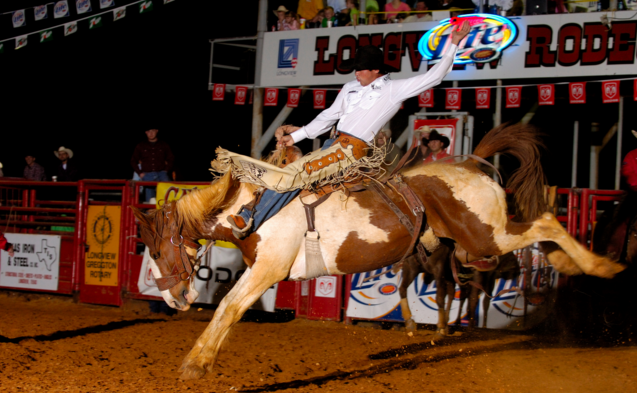
- The outbreak has been traced to a major rodeo and barrel racing event held in Waco, Texas, in early November.
- Multiple states have confirmed cases, leading to widespread cancellations of equine events and new interstate travel restrictions for horses.
- The specific strain of the EHV-1 virus involved is considered particularly aggressive, with a concerning number of fatalities reported.
- Veterinarians and officials are urging strict biosecurity measures, including temperature monitoring and quarantine protocols, to contain the outbreak.
A dangerous and highly contagious neurological virus is sweeping through the U.S. horse population, triggering a cascade of event cancellations, imposing state-line travel restrictions and creating profound anxiety among owners, trainers and veterinarians. The outbreak of Equine Herpesvirus Myeloencephalopathy (EHM), a severe form of the common Equine Herpesvirus-1 (EHV-1), was first identified in horses that attended the Women’s Professional Rodeo Association World Finals and Elite Barrel Race in Waco, Texas, from November 5-9. Within weeks, the virus has leapfrogged across state lines, forcing the equine industry into a defensive posture and highlighting the persistent vulnerability of animals in a highly mobile society.
Tracking the source and spread
The Equine Disease Communication Center (EDCC) has served as the central clearinghouse for tracking the outbreak. As of November 22, officials had confirmed 19 cases of the neurologic EHM directly linked to the Waco event, alongside other non-neurologic EHV-1 infections. The geographical spread is extensive, with confirmed cases reported in Texas, Oklahoma, Louisiana, South Dakota, Colorado, New Mexico, Arizona and Washington. Texas has borne the brunt of the outbreak with 11 neurologic cases, and two horses in the state have been euthanized due to the severity of their symptoms. While a single case in Maryland has been reported, it has not been linked to the Texas epicenter, suggesting the challenges of containing a pathogen that can be spread by seemingly healthy animals.
The virus itself is a known entity, but this particular outbreak is causing exceptional concern. EHV-1 typically causes respiratory illness, but certain strains can attack the central nervous system, leading to EHM. This condition is characterized by inflammation and blood clotting in the brain and spinal cord, resulting in symptoms that include high fever, weakness in the hind limbs, loss of coordination, swelling, seizures and urinary incontinence. While the EDCC states that 60% to 70% of affected horses recover with intensive treatment and strict isolation, the mortality rate for this specific strain appears to be significant.
A “particularly aggressive strain”
Authorities have characterized the virus involved in this outbreak as a “particularly aggressive strain,” according to reports in the Chronicle of the Horse. The Texas Animal Health Commission has acknowledged that the full scope of the outbreak “is not yet fully known,” noting its rapid progression and “a concerning number of mortalities.” A critical factor complicating containment is the virus’s incubation period, which can last from two to ten days. During this time, infected horses may appear perfectly healthy while actively shedding the virus, allowing them to travel to new locations and expose new populations before anyone is aware of the danger. This is believed to be how the virus spread so rapidly from the Texas rodeo to subsequent events across the Southwest.
Industry-wide disruption and response
The response from the equine industry has been swift and severe. Out of what many venues call “an abundance of caution,” a wave of cancellations and postponements has rippled across the country. The Texas Rose Horse Park suspended all equine operations until at least December 2, calling it the “most responsible action.” In Florida, the TerraNova Equestrian Center postponed a training day, and the World Equestrian Center in Ocala canceled a major barrel racing competition scheduled for late November.
Regulatory bodies have also taken action. The National Assembly of State Animal Health Officials has suspended extended equine certificates of veterinary inspection, effectively nullifying any long-term travel documents. This means any horse moving across a state line must now obtain a new health certificate from a veterinarian immediately before travel, a measure designed to ensure that only healthy animals are in transit. While the U.S. Equestrian Federation (USEF) has stated that no competitions it directly licenses are linked to the outbreak, it has issued strong biosecurity reminders and recommended that any horses exposed to the barrel racing or rodeo circuit should remain on their home premises under close observation.
Biosecurity as the first line of defense
With no vaccine that prevents the neurologic form of the disease and no threat to human health, the focus has shifted entirely to containment through rigorous biosecurity. EHV-1 is highly contagious among horses, spreading through direct nose-to-nose contact or indirectly via contaminated equipment, tack, water buckets and even on the hands and clothing of people handling the animals. Veterinarians and animal health officials are universally recommending a core set of practices:
- Monitoring horses’ temperatures twice daily, as fever is often the first sign of infection.
- Isolating new arrivals or horses returning from events for a minimum of 21 days.
- Prohibiting the sharing of equipment between horses without thorough cleaning and disinfection.
- Practicing strict hygiene, including handwashing and changing clothes after contact with unknown horses.
A recurring threat in a modern age: Lessons from the frontlines
The current EHM outbreak serves as a stark reminder of the delicate balance in animal husbandry and the constant threat of disease in an interconnected world. While the virus is not new, its rapid dissemination from a single, large gathering underscores the modern challenge of managing animal health across vast distances. The cancellations and restrictions, while economically painful, represent a necessary and coordinated effort to prevent a crisis from becoming a catastrophe. For the horse industry, the coming weeks will be a critical test of its biosecurity protocols and collective resolve, as veterinarians and owners work to protect the health of the nation’s equine population against a formidable and unseen adversary.
Sources for this article include:
Submit a correction >>
Tagged Under:
Dangerous, disease, EHM, Equine Herpesvirus Myeloencephalopath, highly contagious, horse, neurological virus, outbreak, Plague, respiratory illness, rodeo
This article may contain statements that reflect the opinion of the author
RECENT NEWS & ARTICLES